Custom Software Development Company for Products and Business Workflows
VortDev is a software development agency based in Ukraine. We help startups and established teams plan, build, and maintain web applications, SaaS platforms, and business software.
Product discovery, application development, integrations, and ongoing support in one delivery plan.
Unclear scope, fragile integrations, and missing technical ownership can put a software project at risk. Address these decisions before committing to a full development budget.
Software Development Challenges We Help You Address
Unclear scope and shifting deadlines
Define the first release, dependencies, and acceptance criteria. Review changes against the delivery plan before they become rework.
Limited visibility into delivery
Agree on review points and responsibilities. Regular demonstrations let stakeholders assess completed workflows and discuss the next priorities.
Growing technical constraints
Assess workloads, data models, and integrations before expanding the system. Improve measured bottlenecks rather than adding infrastructure by default.
Features without a clear purpose
Connect each feature to a customer task or business workflow. Use feedback and agreed measures to decide what deserves further investment.
Our software development services connect requirements, architecture, implementation, and release planning. You can discuss the proposed scope, delivery responsibilities, and technical risks before work starts.
Business requirements first
We identify who will use the software, which workflow it must support, and what the first release needs to prove. These requirements guide scope and technical decisions.
Coordinated delivery
As a custom software development company, we can coordinate discovery, design, engineering, testing, and deployment. Agree on the required disciplines and support scope upfront.
Visible progress& communication
Review working software, discuss priorities, and track dependencies with the delivery team. Scope changes should include their impact on effort and timing.
Defined acceptance criteria
Agree on the workflows, access rules, integrations, and release checks that establish readiness. Evaluate delivery against those criteria rather than broad promises.
Why Work with VortDev?
Choose a software development company that explains how it will deliver and operate your product. VortDev can coordinate a project or work alongside your engineers, with responsibilities and review points agreed before implementation.
Our Software Development Process
From requirements to reviewed releases
We organize delivery around product workflows, technical risks, and agreed milestones. Each stage gives stakeholders a way to review decisions before the next investment.
1. Discovery& Strategy
Review users, workflows, integrations, budget, and timing. Define a first-release scope and identify assumptions that need customer feedback or technical testing.
2. Product Design& Validation
Map user journeys and create screens or prototypes appropriate to the project. Review them with stakeholders and, where planned, representative users before full implementation.
3. Software Development& Delivery
Build in iterations with code review, testing, and demonstrations. Discuss changes to priorities and dependencies as the work progresses.
4. Launch, Maintenance& Support
Prepare deployment, monitoring, and release checks. Agree on defect handling, maintenance, and future releases so operational responsibilities are clear after launch.
Services
Our custom software development services cover new applications, internal business systems, integrations, and improvements to existing products. The scope reflects your workflows and the engineering capacity you already have.
Custom Software Development
Build software around your business logic, user roles, and data. We define where custom engineering is necessary and where existing tools can meet the requirement.
Develop web and mobile experiences with connected backend workflows. Plan permissions, integrations, testing, and deployment alongside the interface.
Web & Mobile App Development
Product Discovery & MVP Launch
Define the customer problem and the smallest release that can test it. Our MVP development work connects feature priorities with usable workflows and release requirements.
Connect CRMs, payment services, reporting tools, and internal systems. Plan authentication, data ownership, retries, and failure handling before implementation.
API & System Integration
Cloud Solutions & DevOps
Plan cloud hosting, deployment pipelines, monitoring, backups, and recovery around actual workload needs. Review operating costs and ownership alongside the technical approach.
Maintain applications through dependency updates, defect resolution, performance work, and planned releases. Set the support scope and responsibilities before launch.
Ongoing Support & Maintenance
Not sure which service fits? Tell us whether you are launching, replacing disconnected tools, or improving an active platform. We can discuss the scope and team setup.
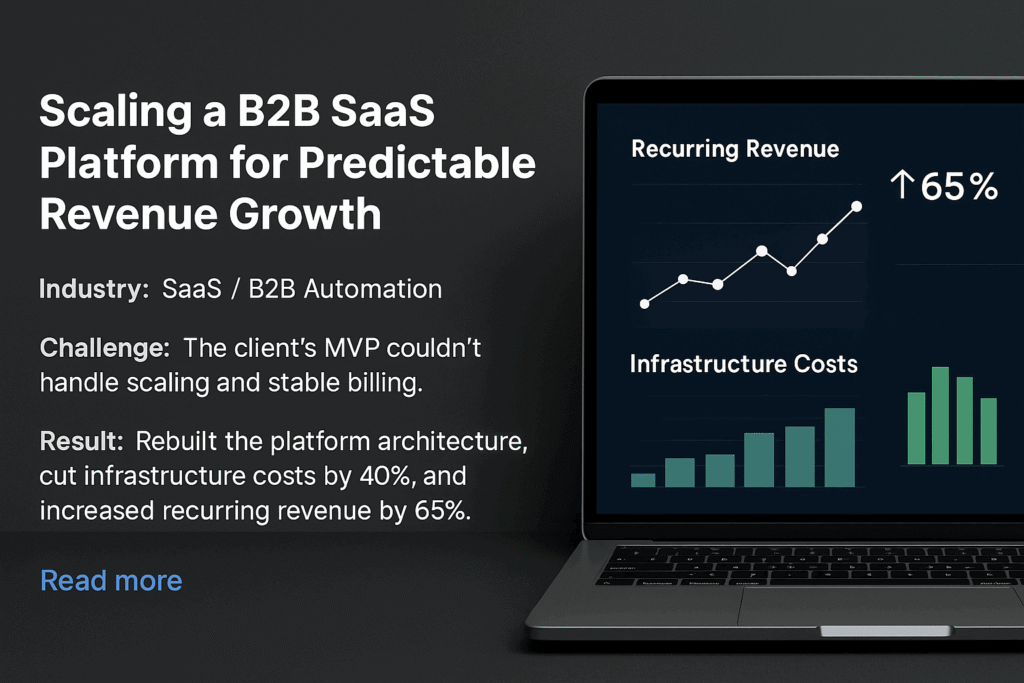
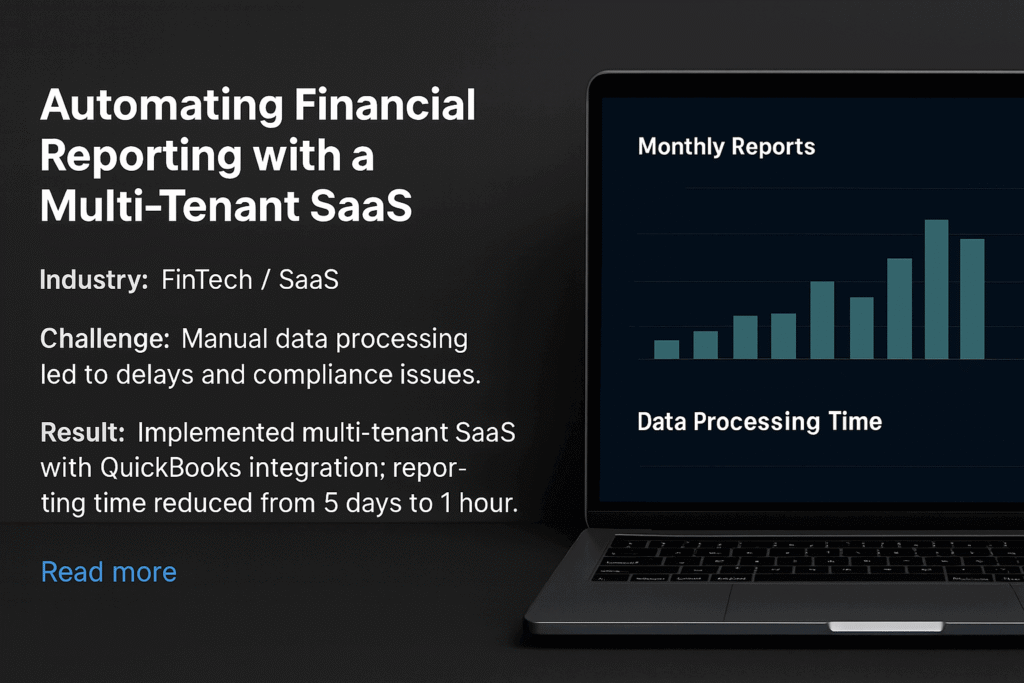
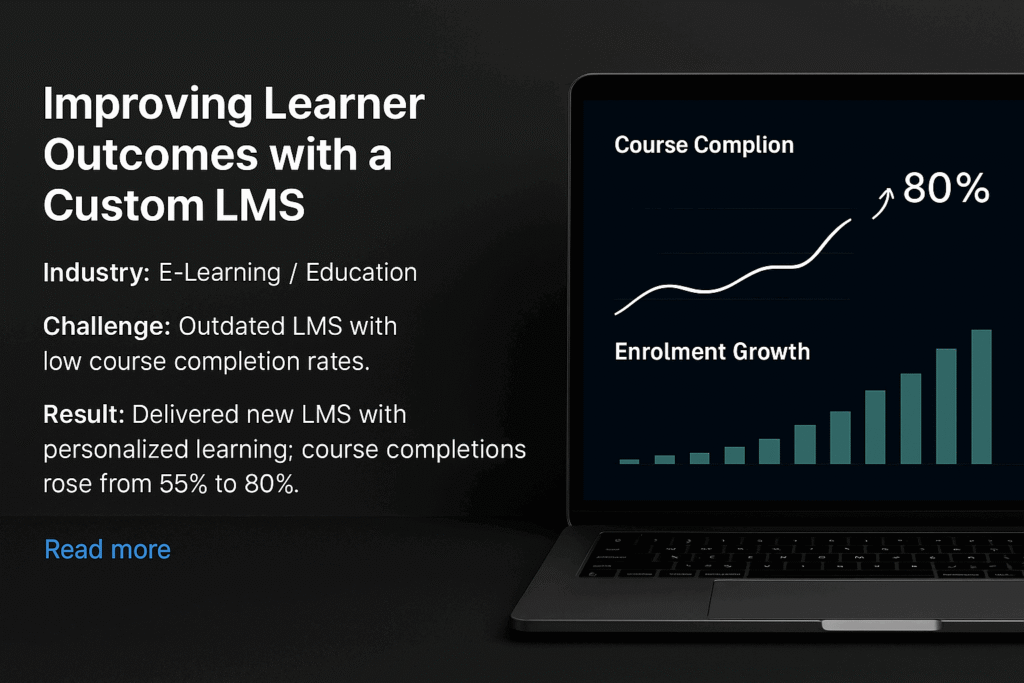
Software Development Scenarios
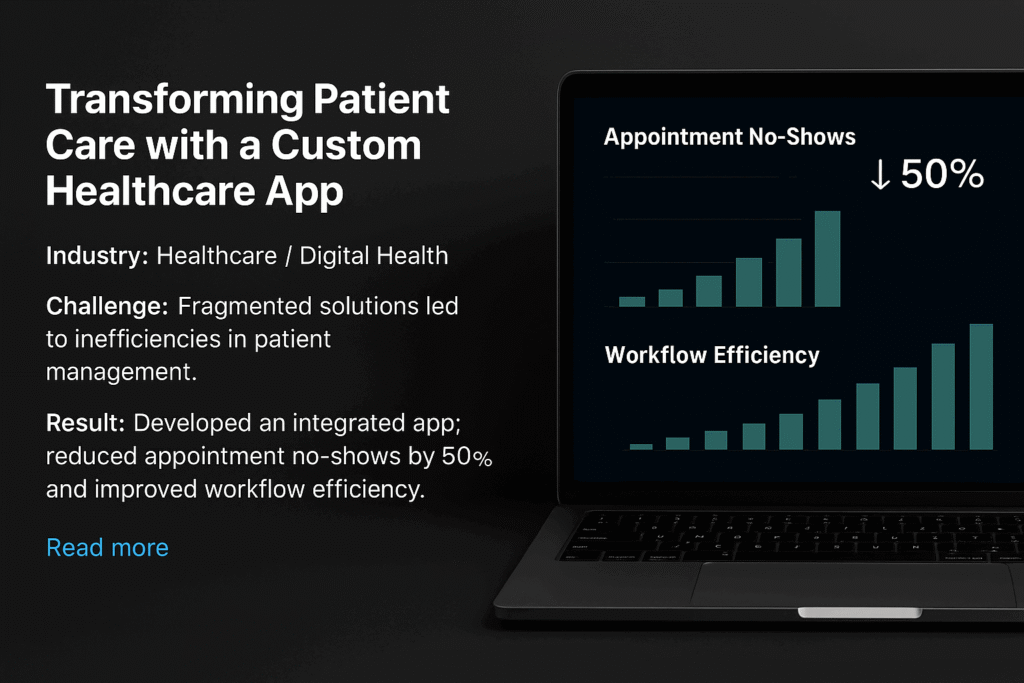
Common product requirements across SaaS, finance, education, and healthcare.
These examples illustrate delivery considerations. Ask our team which relevant project details can be shared when evaluating an engagement.
What to Confirm with Your Software Development Partner
Scope and Evidence
Ask which workflows the release includes, which assumptions remain untested, and what relevant project evidence the team can share. Compare proposals against the same requirements.
Access and Ownership
Confirm repository access, cloud account responsibilities, documentation, and intellectual property terms. Agree on how another engineer could take over the product.
Release and Support
Discuss testing, deployment, rollback, monitoring, and defect handling. Clarify the ongoing support scope and third-party operating costs before implementation.
About VortDev
A Software Development Agency Based in Ukraine
VortDev works with founders and business teams on custom applications, SaaS products, and operational software. Based in Uman, Ukraine, we connect product planning with design, engineering, quality assurance, and deployment. Your product stage and internal capacity determine the appropriate engagement scope.
Our custom software development approach starts with users, workflows, and constraints. We assess access rules, integrations, data dependencies, and technical risks before proposing an implementation. The aim is a delivery plan you can review against business needs, with assumptions and responsibilities made explicit.
You can discuss complete product delivery or support for an existing engineering team. Before an engagement, confirm the proposed team, review cadence, repository access, documentation, ownership terms, and handover. After launch, maintenance and further development can form part of an agreed ongoing scope.
Custom Software Development Built Around Your Workflows
Choosing a software development company starts with the work your application must support. A startup may need a first release that tests demand. An established business may need to replace spreadsheets, connect existing systems, or improve a product customers already use. Each situation needs a different scope, even when the underlying technologies are similar.
VortDev’s custom software development services cover customer-facing products and internal applications. We map users, permissions, data, and integrations before proposing an implementation. This makes it easier to identify what needs custom engineering, what an existing service can handle, and which decisions should wait for more evidence.
Product Development for Startups and Software Teams
For a new product, begin with the customer problem and the workflow that demonstrates value. Our MVP development for startups focuses on essential features and the testing, deployment, and monitoring needed to release them. An MVP should give users something useful to try and give the team evidence for the next investment.
For subscription products, our SaaS development services address account management, billing, integrations, and ongoing releases. Where customer organizations share a platform, multi-tenant platform development connects tenant architecture with access controls and operational requirements. These decisions belong in product planning, alongside the interface.
Business Software, Integrations, and Modernization
Custom business software can connect work currently spread across spreadsheets, email, and disconnected tools. Potential scopes include CRM and ERP workflows, approvals, dashboards, learning platforms, marketplaces, and subscription systems. Define the roles, data sources, and business rules before deciding how much software to build.
Web application development often involves external services as well as application code. Payment providers, accounting tools, identity systems, and reporting sources introduce dependencies. Our software development approach accounts for authentication, retries, duplicate events, and failure visibility so integrations can be maintained after launch.
An existing application may need targeted improvements rather than a complete replacement. Begin with the codebase, deployment process, and the workflows causing difficulty. A modernization plan should identify migration risks, release dependencies, and rollback options. Performance changes need representative workloads and agreed measures, rather than promises based on registered-user counts.
A Delivery Model That Fits Your Internal Team
A software development agency can coordinate a complete product team or complement an existing engineering organization. Discuss which responsibilities you need covered: discovery, UX and UI, frontend and backend development, QA, cloud infrastructure, or technical leadership. The proposed team should match that scope rather than a standard staffing package.
Before choosing an engagement, compare the review cadence, decision-making responsibilities, documentation, and handover arrangements. Ask who owns the repositories and infrastructure accounts, how changes are estimated, and what support includes. These details affect whether your team can operate and evolve the software after the initial release.
Security and Operating Requirements from the Start
Data sensitivity and access requirements influence architecture. Healthcare, finance, education, and enterprise products may have different privacy, retention, audit, and procurement obligations. Define which data the product handles and who can access it before selecting controls. A framework or cloud provider alone does not make an application compliant.
Maintenance also belongs in the budget. Hosting, managed services, monitoring, dependency upgrades, and future releases create ongoing costs. Our software development services can include planning these responsibilities with your team. Share your expected workloads, integrations, and internal capacity so the proposal reflects the product you need to operate.
Software Development FAQ
What does VortDev do as a software development company?
VortDev helps plan, build, and maintain custom applications, SaaS platforms, and business software. The scope can include discovery, design, frontend and backend engineering, integrations, QA, and deployment. We can coordinate delivery or support your existing team. The engagement defines the disciplines, responsibilities, and ongoing support you need.
When should we choose custom software instead of an existing tool?
Custom software makes sense when an essential workflow, integration, data model, or access requirement cannot be met adequately by existing tools. Start by comparing those tools against your requirements. A focused custom component may be enough; a complete platform is appropriate only when the business case justifies the development and operating costs.
Can you develop an MVP and continue after launch?
Yes. An engagement can start with discovery and a focused MVP, then continue through agreed releases and maintenance. The first release should support the core customer workflow and include appropriate testing and deployment. Customer feedback and usage data can then guide subsequent priorities. Confirm the ongoing team and support scope before launch.
Can you work with our internal developers?
Yes. We can discuss additional engineering capacity, specific technical skills, or architecture guidance alongside your team. Clarify who sets priorities, reviews code, approves releases, and owns infrastructure. Repository access, documentation, communication, and knowledge transfer should be agreed before onboarding so responsibilities remain clear throughout the engagement.
How do you estimate software development cost and timeline?
An estimate depends on workflows, roles, integrations, data requirements, design, testing, and deployment. Existing code and migration work can change the effort. We start with a requirements discussion; complex products may need discovery before a detailed estimate. Compare proposals with the same scope, assumptions, exclusions, and support requirements.
How do you handle security and industry requirements?
We review the data, user roles, tenant boundaries, and applicable obligations before selecting controls. Depending on the scope, this may involve identity management, access checks, audit logs, encryption, backups, and security testing. Industry-specific compliance requires assessment of the complete product and operating processes. It cannot be established by choosing a particular technology.
Who owns the code, documentation, and cloud accounts?
Confirm ownership and access in the engagement terms before work begins. Discuss source code, intellectual property, repositories, cloud accounts, deployment configuration, and third-party licenses separately. Handover documentation and knowledge transfer should also be scoped. These arrangements determine how your organization can operate the product or change its development partner later.
What should we prepare for an initial discussion?
Share the problem you want to solve, target users, core workflows, and current product stage. Include existing software, major integrations, budget constraints, and the intended launch date where available. Note any security or procurement requirements. A complete specification is not necessary, but these details help identify a useful next planning step.